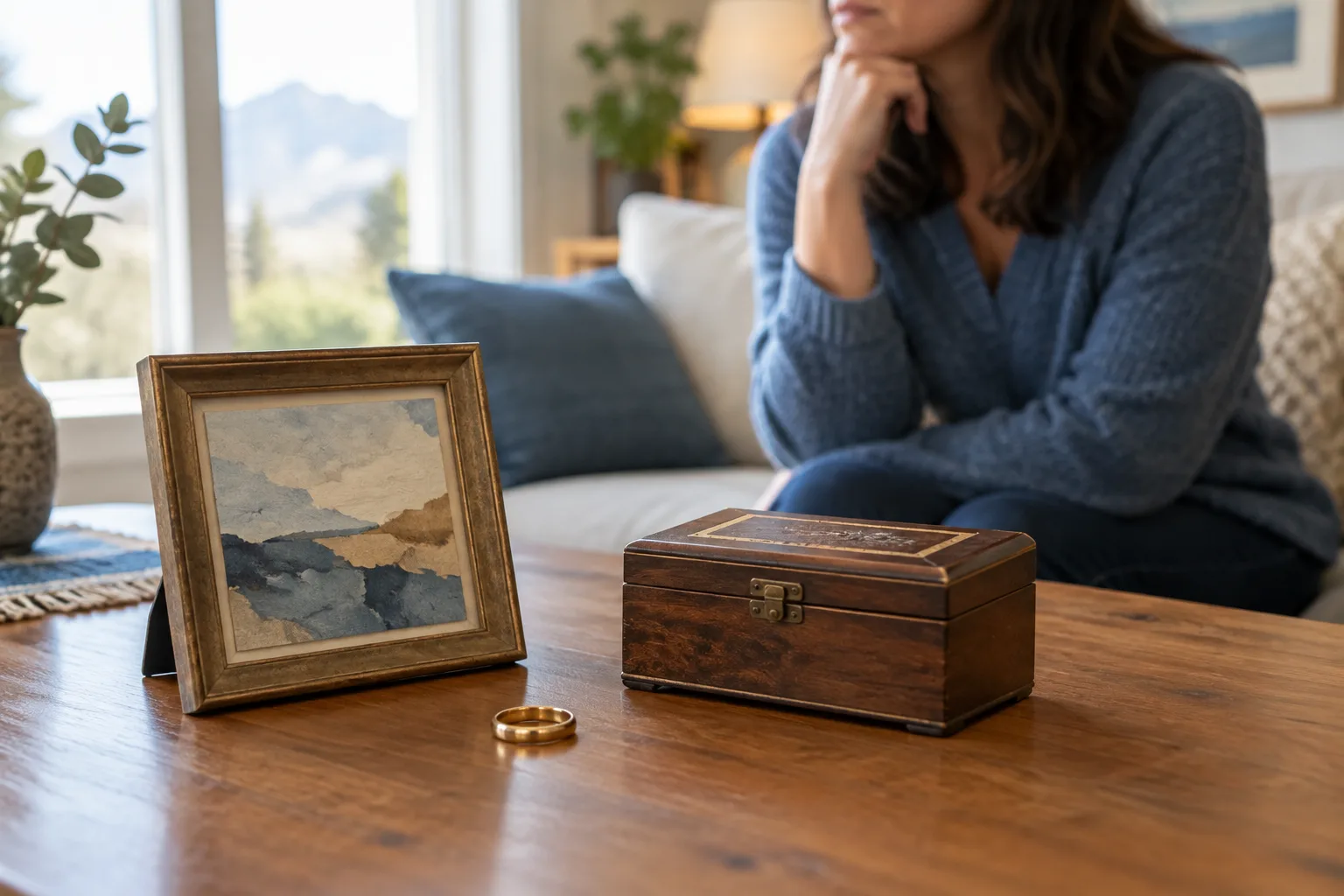
People in Magna or Kearns may have a clear idea of who should receive a family ring, a particular painting, or a box of keepsakes—but not want to revise an entire will every time a personal gift changes. A Utah will personal property memorandum may offer a way to record certain gifts in a separate writing, if the will is drafted to refer to it and the writing meets Utah’s requirements. Stephen J. Buhler can help explain how this kind of document fits into a broader estate plan. This article describes what a separate list may cover, how to reduce confusion about items and recipients, and how to keep the record accessible. It also explains why the list should be consistent with the rest of the will and reviewed when circumstances change.
How a Utah will personal property memorandum fits into an estate plan
Utah law allows a will to refer to a separate writing that disposes of certain tangible personal property. Under Utah Code § 75-2-512, the writing must be signed by the testator and describe the property and intended recipients with reasonable certainty. It may be prepared before or after the will, and the will may refer to a writing that already exists or one to be prepared later. The details of how a particular document works depend on its language and circumstances.
A memorandum supplements the will; it does not replace the will or operate as a general list for every asset. The statute is limited to tangible personal property that is not otherwise specifically disposed of in the will. It excludes items such as money, evidences of indebtedness, documents of title, securities, and property used in a trade or business. The will’s wording matters, so a loose list kept separately without a suitable reference in the will may not have the intended legal effect.
For a broader overview of the basic steps for making a will in Utah, consider how a separate writing would fit with the will’s other provisions. This can be especially useful for families in Magna, Utah, and Kearns, Utah, who want a practical way to direct personal keepsakes without treating the list as a substitute for a complete estate plan.
Make a Utah tangible personal property list clear and identifiable
The central practical question is whether someone handling the estate can tell which item and recipient the testator meant. “My jewelry to my daughter” may be unclear if there are multiple pieces or more than one daughter. A more useful description could identify a particular item by its appearance, location, maker, or another distinguishing feature, and name the intended recipient clearly. The goal is not elaborate wording; it is reducing reasonable uncertainty.
A useful list may include:
- A distinct description of each item, such as “the oval sapphire ring kept in the blue jewelry box.”
- The recipient’s full name and, where helpful, their relationship to the testator.
- A note distinguishing similar objects, such as one of several framed artworks or collections.
- A date or version marker so the personal representative can recognize which writing is current.
Avoid relying only on nicknames, broad categories, or a location that may change. If an item is sold, given away, replaced, or no longer owned, the writing and will may need review. In Magna and Kearns, as elsewhere in Utah, a family may also have items with sentimental importance that is not reflected in market value. Clear identification helps communicate the intended gift, but does not by itself settle disagreements over ownership or the meaning of a provision.
Keep the list accessible and address possible conflicts
A separate writing is useful only if it can be found and understood when the estate is administered. Store it with the will or in another secure, known location, and tell the person responsible for estate administration where it is kept. Avoid placing the only copy somewhere that may be inaccessible or difficult to locate. If the list is updated, make sure the latest version can be distinguished from earlier drafts and that changes are consistent with the will’s language.
Choosing a responsible person to serve as personal representative is another part of the plan. That person may need to locate the writing, identify the belongings, and arrange distribution. You can read about choosing a Utah personal representative to manage estate administration as you consider who could carry out those tasks.
Also consider whether the specific gifts fit the overall distribution plan. A valuable painting left to one family member and several modest keepsakes left to another may create a perceived imbalance, even if that was not the testator’s intention. Some families may want the will or related planning documents to explain how specific gifts relate to the remaining estate. Thoughtful planning for unequal inheritances among family members in Utah can help frame those decisions. The list should not contradict the will, trust provisions, or ownership arrangements for the property.
Frequently Asked Questions
Can I add or change a personal-property list after signing my Utah will?
Utah law permits a referenced writing to be prepared before or after the will, and it allows the testator to alter the writing after the will is executed. However, changes should still meet the applicable requirements and work with the will’s language. Keeping dated, clearly identified versions can reduce uncertainty about which list reflects the testator’s intentions. An attorney can review how an update may affect the rest of an estate plan.
Can a separate list give away cash, investments, or business property?
The Utah statute addressing a separate writing for tangible personal property does not cover every kind of asset. It excludes money, evidences of indebtedness, documents of title, securities, and property used in a trade or business. Those assets may need to be addressed through other will provisions, beneficiary designations, ownership arrangements, or planning documents. The appropriate method depends on the asset and the person’s circumstances.
What if the item named in the list is no longer owned when I die?
A personal-property list cannot distribute an item that is not part of the estate or otherwise available to be transferred. If an item is sold, gifted, lost, or replaced, the list may no longer reflect current circumstances. Reviewing the writing when ownership changes can help keep the plan aligned with what is actually owned. How a particular change affects a gift may depend on the will and the facts.
Does a Utah personal-property memorandum need witnesses?
Utah Code § 75-2-512 states that the separate writing must be signed by the testator and satisfy the statute’s description and recipient requirements. The rules for this writing are distinct from the formal execution requirements that apply to a will. Because wording, signature, and coordination with the will matter, families in Magna or Kearns may wish to have a Utah-licensed attorney review the documents rather than assume a handwritten note will work as intended.
How Stephen J. Buhler Can Help
Stephen J. Buhler can help individuals and families consider whether a separate personal-property writing fits their Utah estate plan. Careful planning can address how a will refers to the list, how gifts are described, how updates are handled, and where the current writing will be kept. The approach should reflect the client’s circumstances and the relationship between specific gifts and the broader distribution plan, rather than treating a list as a one-size-fits-all solution. If you live in Magna, Kearns, or elsewhere in Utah and have questions about personal belongings in a will, contact Stephen J. Buhler’s office to discuss a consultation and your planning needs.
The information in this article is for educational purposes only and does not constitute legal advice. Laws vary by jurisdiction and may change; contact a qualified attorney licensed in Utah for advice specific to your situation.