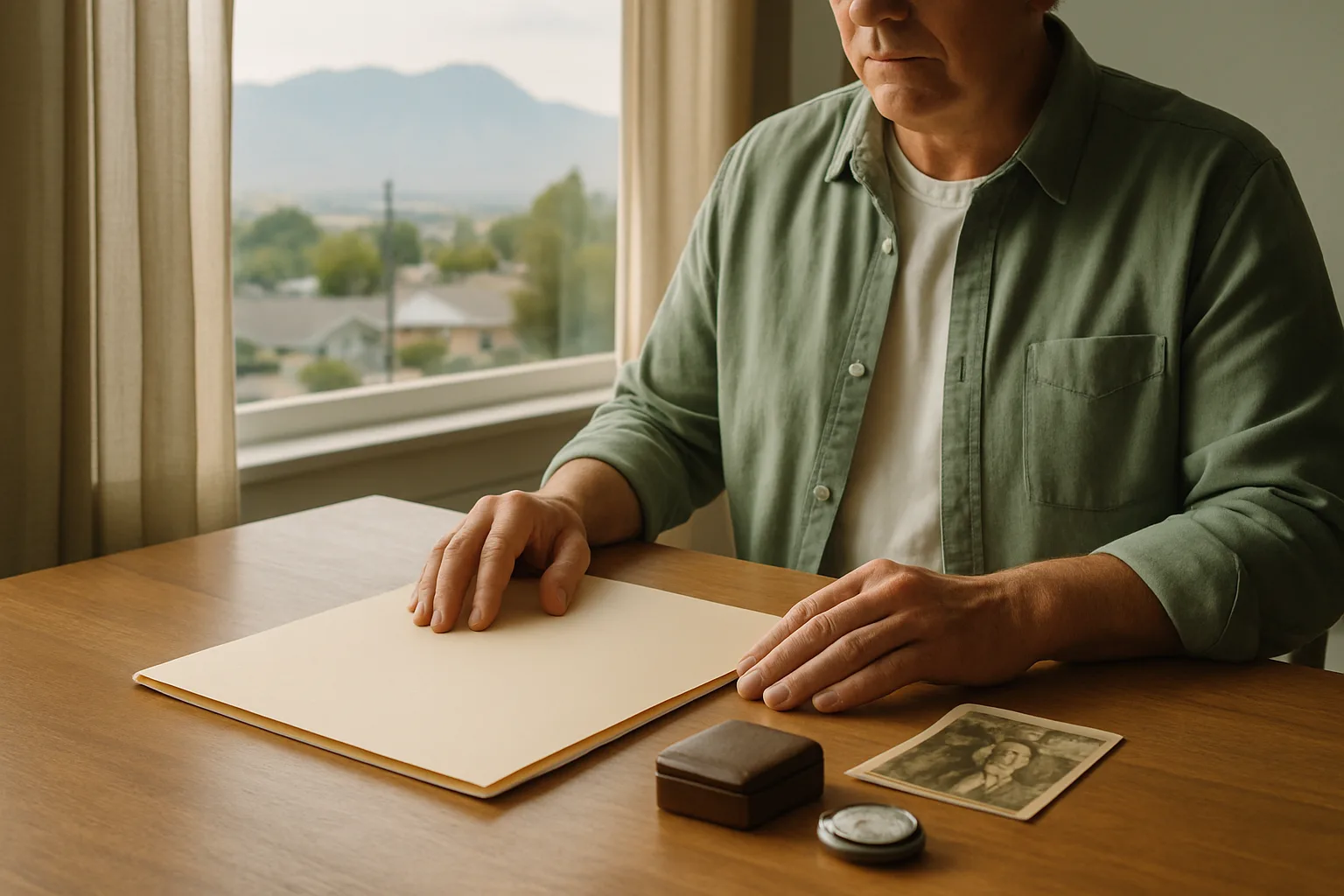
A family may know that a loved one has a will, but still not know where to find funeral preferences, cemetery information, or a prepaid service contract. That gap can make an already difficult time more confusing. Utah funeral wishes estate planning is therefore not only about choosing burial or cremation; it is also about putting practical information where the people who act first can find it.
For an overview of how a will fits into a broader plan, see how to make a Utah will. Stephen J. Buhler helps Utah families think through the relationship between formal estate documents and separate instructions for final arrangements. This article explains what to organize, who should receive the information, and why accessibility matters in Magna, West Valley, and throughout Utah.
How Utah Estate Planning Can Record Funeral Wishes
A will may be an important part of an estate plan, but it may not be the first document relatives or a funeral provider review after a death. Probate administration can involve later steps, while funeral and disposition decisions often need attention promptly. For that reason, many families use a separate final-arrangements document alongside their will, trust, powers of attorney, and other records.
Create a practical final-arrangements document
A written instruction file can state preferences such as:
- Burial, cremation, or another lawful form of disposition;
- A preferred funeral home, cemetery, mortuary, or location;
- Whether the person has made a prepaid contract or selected a cemetery plot;
- Desired services, music, readings, flowers, donations, or gathering details; and
- People who should be contacted immediately.
These instructions may express wishes without answering every legal question. Depending on the circumstances, an attorney may recommend reviewing the language, the person authorized to make decisions, and any contract terms under Utah law. Laws and procedures can vary by location and may change after publication, so Magna and West Valley families may benefit from jurisdiction-specific review.
Keep medical instructions separate
Funeral preferences are different from decisions about medical care while a person is living. An Utah advance health care directive may address health-care choices and the appointment of a health-care decision-maker. A separate final-arrangements document can address burial, cremation, memorial services, and related contacts. Keeping the documents distinct can help the right person locate the right instruction at the right time.
What Should a Utah Funeral Wishes Checklist Include?
A useful checklist should be detailed enough to guide relatives but organized enough to update. It should also identify records that may exist outside the will. For example, insurance policies, retirement accounts, payable-on-death accounts, and other beneficiary arrangements may require separate review. Families assembling these materials can use this guide to compare Utah wills and beneficiary forms.
Consider organizing the following information in one clearly labeled file or secure digital location:
- Disposition preference: State whether burial or cremation is preferred and identify any known provider, cemetery, or location.
- Service preferences: Record wishes about a ceremony, visitation, religious or cultural practices, military honors if applicable, music, readings, flowers, charitable gifts, or who should be notified.
- Prepayment and contracts: Include copies or location details for prepaid funeral arrangements, cemetery deeds, insurance policies, payment receipts, and provider contact information. Avoid assuming that a payment arrangement automatically answers every question about authority or contract performance.
- Emergency contacts: List close family members, a trusted friend, clergy or community representatives if desired, the funeral provider, cemetery, insurance contact, and the person most likely to locate the file.
- Access instructions: Explain where originals, copies, keys, account information, and digital records are kept. Do not include passwords in an unsecured document; instead, identify a lawful and secure way for an authorized person to access needed information.
A financial power of attorney may help an agent manage certain financial matters during incapacity, but authority can change at death and should not be assumed to resolve every post-death issue. Information about a financial power of attorney in Utah can help families distinguish financial-management authority from final-arrangement instructions.
How to Communicate Burial and Cremation Wishes Before Probate
Even a carefully prepared document may not help if nobody knows it exists. Funeral preferences should generally be shared with the people most likely to respond immediately, not kept exclusively with a will that may be stored in a safe-deposit box, attorney file, or another location that relatives cannot access right away.
Tell the people who may act first
Depending on the family structure and the person’s plan, this may include:
- The person named to handle estate administration;
- A spouse, adult child, relative, or trusted friend who will receive the first call;
- The selected funeral home, cemetery, or cremation provider; and
- A health-care or financial agent who may help during incapacity, while recognizing that each role has different legal limits.
The person handling probate has important responsibilities, but immediate arrangements may begin before formal probate documents are filed or reviewed. Readers can learn more about Utah executor duties after a death and compare those responsibilities with the practical work of locating instructions and contacting providers.
Review the file after major life changes
Preferences may change after a move, marriage, divorce, death in the family, religious conversion, financial change, or change in relationship with a chosen contact. A periodic review can help identify outdated phone numbers, canceled contracts, changed cemetery preferences, or instructions that conflict with newer estate documents.
Accessible storage matters as much as careful drafting. Utah probate timing after death may not align with the timetable for contacting a funeral provider or carrying out a family’s first decisions. A duplicate copy, secure electronic location, or written notice of where the file is kept may reduce avoidable confusion. An attorney can help evaluate whether the arrangement is consistent with the rest of the Utah estate plan.
Frequently Asked Questions
Can funeral wishes be changed after they are written?
Generally, a person may revise personal funeral or disposition preferences while capable of making decisions, but the effect of a change can depend on contracts, authorization rules, and other estate documents. Updated instructions should replace or clearly identify prior versions, and the people who may act should be told about the revision. Utah law may treat contractual arrangements differently from informal written preferences, so individual review can be useful.
Should a funeral provider receive a copy of the final-arrangements document?
It may be helpful to provide the selected funeral, cemetery, or cremation provider with relevant information, especially when a prepaid arrangement or cemetery purchase exists. Families should consider privacy, document accuracy, and whether the provider has confirmed the arrangement. A provider’s records may not replace the family’s own copy. Depending on the circumstances, an attorney can help distinguish preferences from binding contract terms.
How should religious or cultural wishes be documented?
Write the preferences in clear, practical terms and identify any person, clergy member, community leader, or organization who should be contacted. Include timing concerns, ceremony practices, disposition preferences, and restrictions that matter to the family. It can also help to discuss the instructions with those expected to carry them out. Cultural or religious wishes should be reviewed alongside applicable Utah requirements and provider policies.
Where should a family keep funeral instructions?
There is no single storage location that works for every family. The file should be secure but reasonably accessible to the people who may need it before probate documents are available. Families commonly identify a trusted contact, keep a copy with other estate records, and provide relevant information to a selected provider. Storage methods should protect private information while avoiding a location nobody can access.
How Stephen J. Buhler Can Help
Stephen J. Buhler is dedicated to helping Utah clients organize estate-planning documents around real family needs, including communication during an emergency and the practical steps that follow a death. The firm can evaluate how funeral preferences, wills, trusts, advance health care directives, powers of attorney, beneficiary records, and contact information fit together.
For families in Magna, Utah, West Valley, Utah, and nearby communities, an individualized review may identify missing records, unclear responsibilities, or instructions that should be updated. Contact Stephen J. Buhler for a consultation to discuss your estate-planning questions and available options.
The information in this article is for educational purposes only and does not constitute legal advice. Contact a qualified attorney licensed in Magna, Utah; West Valley, Utah for advice specific to your situation.