Digital life does not end when a person dies. Email, cloud files, social media profiles, cryptocurrency, online stores, photographs, domain names, and subscription accounts may all remain active, valuable, or deeply private.
For families searching for answers about digital assets estate planning in Utah, the central question is not simply who knows a password. It is who has legal authority, what the account provider permits, and whether the person selected can separate property from personal communications. A carefully organized plan can give a fiduciary useful direction without placing sensitive credentials in a public will.
Stephen J. Buhler helps Utah families examine these planning details as part of a broader estate plan. This guide explains how to build a digital inventory, record instructions securely, choose the right fiduciaries, coordinate beneficiary designations and trusts, and prepare for the administration process in Salt Lake County and elsewhere in Utah. For related planning context, review how to make a Utah will with digital asset instructions.
What Belongs in a Utah Digital Asset Inventory?
A digital asset inventory should be more than a list of passwords. It should identify what exists, why it matters, who may need access, and whether the item has financial, sentimental, business, or privacy value. Utah law may give a fiduciary a process for requesting access, but provider contracts and privacy rules can still affect what is disclosed.
Identify the accounts and property
Consider organizing assets into categories such as:
- Email, messaging, and social media accounts
- Cloud storage containing photographs, tax records, or family documents
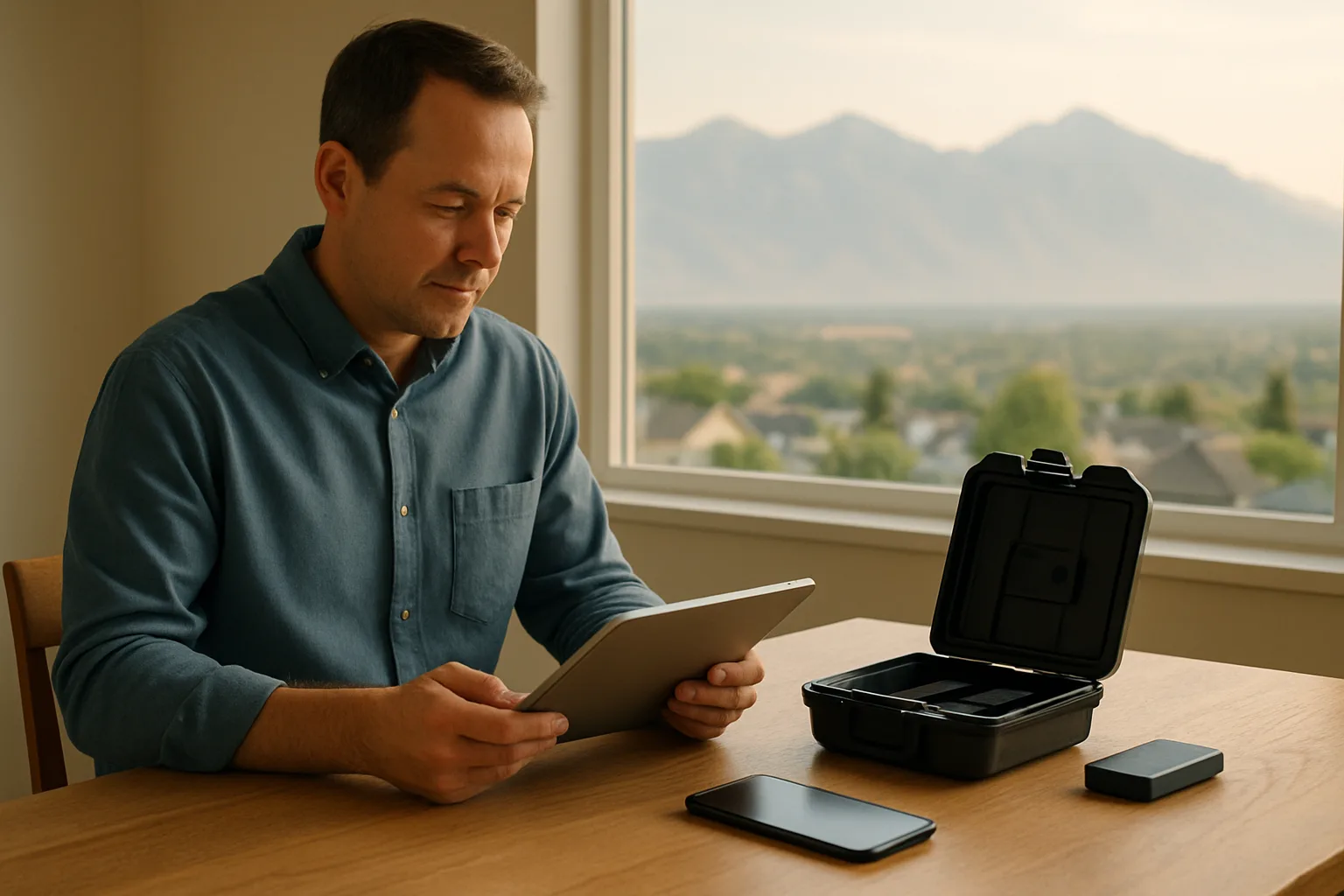
- Cryptocurrency wallets, exchanges, hardware devices, and recovery phrases
- Online businesses, payment processors, advertising accounts, and domain names
- Digital photographs, videos, music, e-books, and creative works
- Loyalty points, online marketplaces, gaming accounts, and subscription services
- Websites, intellectual property, monetized channels, and other income-producing accounts
The inventory should identify the location of a recovery key, device, or account without unnecessarily exposing the secret itself. It can also note whether an account should be transferred, archived, memorialized, closed, or reviewed for evidence of a financial obligation.
Separate valuable property from private communications
Not every digital account should be treated like an asset to distribute. A business payment account or domain name may require active management, while a personal email account may contain confidential conversations involving other people. Social media content and photographs may have emotional importance but may also be governed by platform-specific terms.
The plan should tell the fiduciary what categories deserve review and what privacy limits matter. That distinction is particularly important for families in Salt Lake City, Utah, Magna, Utah, and Taylorsville, Utah, where a single device may contain both transferable property and highly personal information.
How Should Access Instructions and Fiduciaries Be Planned?
A will can identify beneficiaries and nominate an executor, but it is usually not the right place for passwords, recovery phrases, or other credentials that should remain confidential during life. A separate, securely stored memorandum or password-management system may be more practical, provided the fiduciary can locate it and the instructions are kept current.
Plan for incapacity before planning for death
Some digital accounts need attention while the owner is alive. An online business may require payment approvals, a financial account may need monitoring, and cloud files may be necessary for caregiving or tax work. A Utah financial power of attorney and incapacity planning discussion can help distinguish authority during incapacity from authority that begins after death.
A power of attorney does not automatically settle post-death access. The agent’s authority generally ends at death, while the executor, personal representative, trustee, or another properly authorized fiduciary may then take a different role. The documents should be coordinated so that there is no avoidable gap.
Choose a fiduciary who can follow technical instructions
The person selected to handle digital property should be trustworthy, organized, and capable of following security procedures. A family member may be appropriate for photographs and personal accounts, while a business partner, professional fiduciary, or trustee may be better suited to cryptocurrency or an online company.
Instructions might address:
- Where the inventory and access method are stored
- Which assets should be preserved, transferred, closed, or deleted
- How to protect cryptocurrency from loss or unauthorized access
- When to consult an attorney, tax professional, or digital-security specialist
- How to document communications with account providers
What Happens to Digital Assets During Utah Estate Administration?
After death, a fiduciary may need to locate and protect digital property before deciding how it should be handled. The Utah executor duties after a death framework can provide useful context, but the exact process depends on the estate documents, the type of account, provider rules, and whether probate is required.
A fiduciary may need to secure a phone or computer, preserve business records, prevent an online account from being deleted, and identify recurring charges. Cryptocurrency can require especially careful handling because a lost private key or recovery phrase may make access difficult or impossible. The fiduciary should avoid guessing at credentials or moving assets without understanding the legal authority and security risks.
Check beneficiary instructions separately
Some financial and online accounts pass under a payable-on-death, transfer-on-death, or designated-beneficiary instruction rather than under a will. Families should compare those records with the estate plan using guidance about Utah beneficiary forms versus will instructions. A mismatch can create confusion even when the will appears clear.
Consider whether a trust fits the asset
A trust may help organize certain transferable property, particularly an online business, domain portfolio, intellectual property, or monetized account. However, naming an asset in a document is not always the same as transferring ownership or control. Families considering funding a Utah living trust with property should also ask how provider contracts, privacy restrictions, and personal communications will be handled.
The Utah probate timeline after death may affect how quickly a fiduciary needs to preserve information, secure cryptocurrency, and address income-producing accounts. Procedures can vary, and provider response times are not always predictable.
Frequently Asked Questions
Does a Utah will automatically give my executor access to online accounts?
Not necessarily. A will can nominate an executor and describe intended beneficiaries, but an account provider may apply its own contract, privacy policy, and verification process. A will also becomes part of a legal proceeding in some circumstances, so passwords and recovery phrases generally belong in a separate secure record. An attorney can help coordinate the will, fiduciary instructions, and account-specific planning under Utah law.
Should cryptocurrency be listed in my Utah estate plan?
Cryptocurrency and related access information should generally be addressed in an estate plan, but the plan should not expose private keys or recovery phrases in a public document. The inventory can identify the wallet, device, or secure storage location and explain who should receive or manage the asset. Because security and ownership details vary, cryptocurrency estate planning may require individualized legal and technical guidance.
Can my family read my personal email after I die in Utah?
Family relationships alone may not establish a right to read every message. Personal email can contain communications belonging to other people, confidential information, or provider-restricted content. A fiduciary may need to request access through an authorized process, and the outcome can depend on Utah law, the estate documents, and the provider’s terms. Clear privacy instructions can help communicate your intentions without guaranteeing provider access.
Who should serve as my Utah digital executor?
Utah does not necessarily require a separate person formally titled a digital executor. Instead, digital responsibilities may be assigned through an executor, personal representative, trustee, agent, or another authorized fiduciary. The best choice depends on the assets involved. A person handling family photographs may differ from the person managing cryptocurrency, an online business, or sensitive communications.
How Stephen J. Buhler Can Help
Stephen J. Buhler is dedicated to helping individuals and families in Salt Lake City, Utah, Magna, Utah, Taylorsville, Utah, and surrounding communities think through the practical details of estate planning. The firm can help evaluate how digital assets fit with wills, trusts, powers of attorney, beneficiary designations, and fiduciary appointments.
Digital asset planning may be especially important when a person owns cryptocurrency, operates an online business, has valuable intellectual property, or wants strict limits around private communications. If you need individualized guidance, contact Stephen J. Buhler for a consultation to discuss your goals and planning options. You may also wish to speak with a Salt Lake City estate planning lawyer for digital asset planning.
The information in this article is for educational purposes only and does not constitute legal advice. Contact a qualified attorney licensed in Salt Lake City, Utah; Magna, Utah; Taylorsville, Utah for advice specific to your situation.