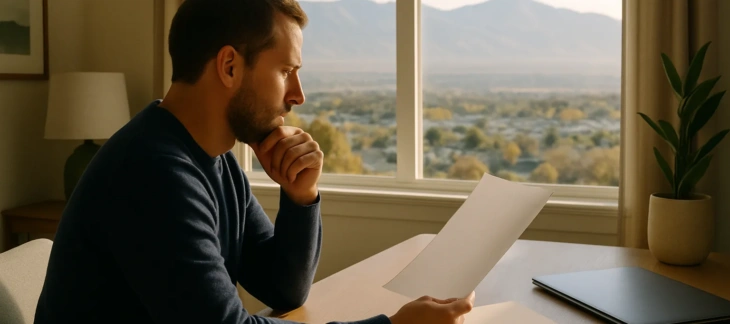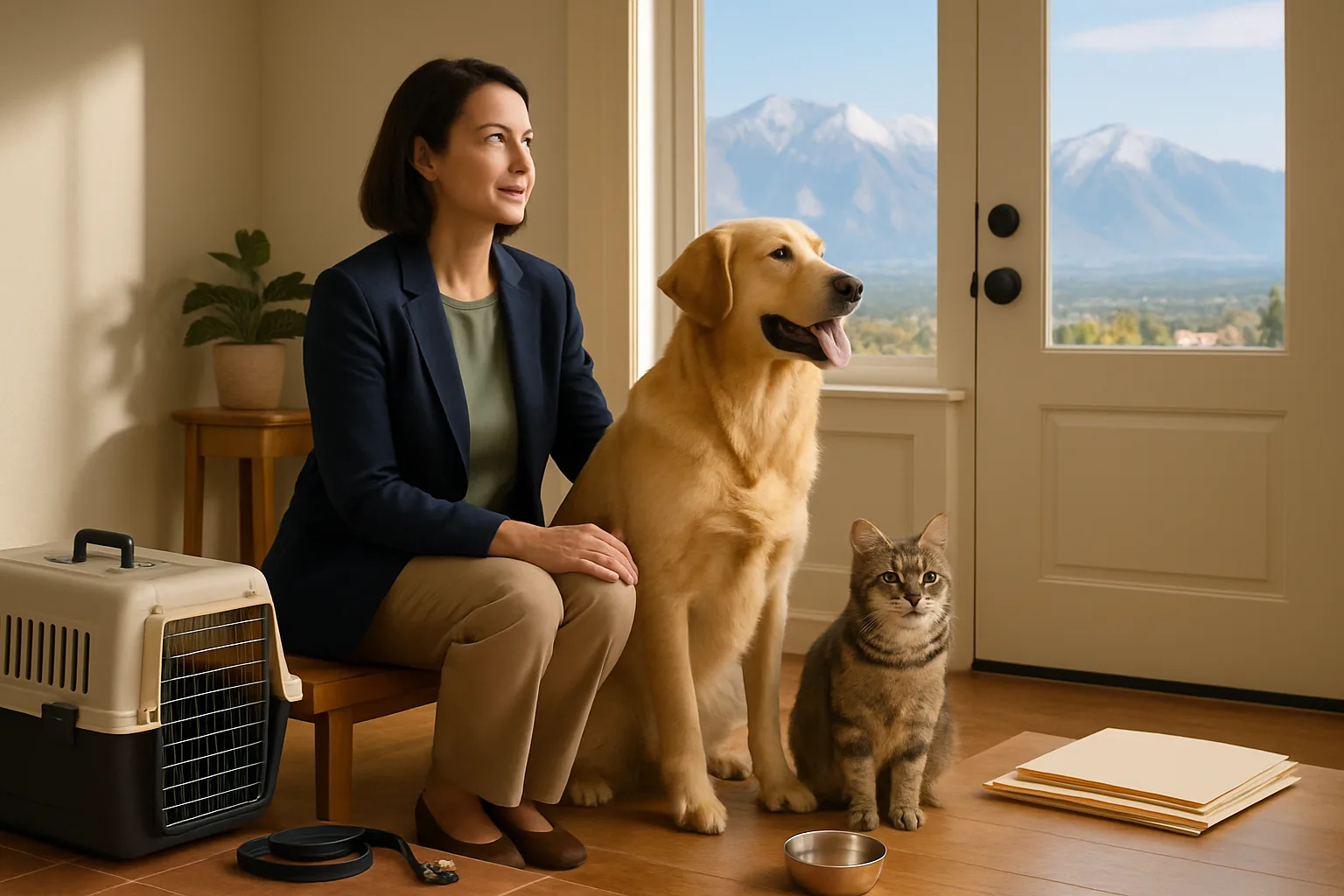
A sudden hospitalization can leave a pet owner focused on immediate questions: Who has a key? Who can authorize veterinary treatment? Where are the medications, microchip details, and emergency funds? If death occurs, the family may face the same questions while also handling estate administration.
A Utah pet trust may help answer those questions in advance. For a broader understanding of how Utah revocable and irrevocable trusts divide control, readers can compare how control changes during incapacity and after death. Stephen J. Buhler helps Utah families examine how trusts, wills, powers of attorney, and practical care instructions can fit together. This guide covers what a pet trust can do, how to prepare a pet-care worksheet, how to choose caregivers and trustees, and why records and emergency access matter in Magna, Taylorsville, and West Valley.
How Can a Utah Pet Trust Protect an Animal During Incapacity or After Death?
A pet trust is an estate-planning arrangement designed to hold money and instructions for an animal’s care. Depending on the document and the governing law, a trustee may manage funds and oversee whether the stated care instructions are being followed. The trust should be drafted as part of a coordinated plan rather than treated as a stand-alone promise to a friend or relative.
Incapacity and death create different timing problems
During incapacity, the owner may still be alive but unable to feed the animal, arrange boarding, contact a veterinarian, or pay expenses. After death, someone may need to secure the animal immediately, locate the plan, and transition care to the named caregiver. A will can nominate a caregiver, but it generally does not operate until after death and may not provide immediate access to money during an owner’s incapacity. A pet trust may address ongoing administration, subject to its terms and applicable Utah law.
A plan should also distinguish the roles involved. The caregiver handles daily care. The trustee manages trust property and payments. An executor administers the deceased owner’s estate. One person may fill more than one role, but separating responsibilities can create useful checks and reduce confusion.
What Should a Utah Pet Trust Funding and Care Worksheet Include?
A trust is only as useful as the information and resources available to the people carrying it out. A practical worksheet can give the trustee and caregiver a reliable starting point while allowing the formal documents to control. Questions about funding a Utah living trust with property may also help owners recognize that signing a document is different from properly transferring or designating assets.
Consider recording the following:
- Animal profile: name, species, age, identifying markings, microchip information, photographs, and licensing details.
- Daily needs: food brand and portions, exercise, routines, behavioral concerns, sleeping arrangements, and instructions for other household animals.
- Veterinary information: primary veterinarian, emergency clinic, medication schedule, allergies, medical history, and authorization procedures for treatment.
- Preferred caregiver: the person’s contact information, relationship with the animal, location, experience, and willingness to serve.
- Backup arrangements: at least one successor caregiver and a temporary boarding or emergency contact if the preferred caregiver cannot respond.
- Funding: an estimated starting amount, recurring costs, emergency veterinary expenses, grooming, boarding, transportation, and a method for replenishing or accessing funds.
- Unused funds: a clear direction for remaining money after the animal dies, such as distribution to a person or an animal-related organization, subject to legal review.
The funding amount should be considered realistically. Food, medication, insurance or veterinary costs, boarding, and end-of-life care can vary by animal and circumstance. A person preparing a plan in Magna, Taylorsville, or West Valley may also want to coordinate ownership records, account designations, and trust funding with the rest of the estate plan.
Which Documents and People Support Pet Care After Death in Utah?
A pet-care plan often requires several coordinated documents. The trust may provide instructions and money for ongoing care. A will may nominate a caregiver and address property that was not transferred to the trust. A power of attorney may help an agent manage financial matters while the owner is alive but unable to act. Making a Utah will that protects your family can provide useful background on the will’s role and limits.
Choosing a caregiver, trustee, and successor
When choosing Utah executor and trustee roles, pet owners should evaluate more than personal trust. Consider whether each person:
- Understands the animal’s routine and temperament.
- Can reach the animal quickly in an emergency.
- Is willing to authorize veterinary treatment and communicate with the trustee.
- Has appropriate housing, transportation, time, and financial reliability.
- Will accept the role in writing or through a documented plan.
A person should not be named without discussing the request first. Circumstances change, so the owner may also identify a successor caregiver and explain how the trustee should respond if no named person can serve.
Planning for incapacity and emergency access
An owner may wish to review whether an immediate or springing Utah durable power of attorney fits the broader plan. The relevant question is how an authorized agent could access funds, retrieve the animal, contact the veterinarian, and pay urgent expenses if the owner cannot communicate. The document’s scope, effectiveness, and acceptance by banks or other institutions can matter in practice.
After death, the executor may need to secure the animal and locate the trust, will, care worksheet, and contact information. Understanding Utah executor duties after death can help families think through the gap between the owner’s death and long-term placement. The plan should identify who holds keys, who can enter the home lawfully, and who should be contacted first.
Store records where authorized people can find them
A carefully drafted plan can fail in practice if no one knows where it is. Consider storing Utah estate-plan instructions where others can find them by identifying the location of the trust, will, power of attorney, veterinary records, medication list, microchip information, caregiver contacts, and funding instructions. The storage method should protect privacy while allowing authorized people to obtain documents promptly.
What Mistakes Should Utah Pet Owners Avoid When Creating a Trust?
Several common planning gaps can undermine an otherwise thoughtful arrangement. These issues do not necessarily mean a pet trust is unsuitable; they show why the documents and the practical worksheet should be reviewed together.
- Relying on a verbal promise: A friend may sincerely agree to help, but a conversation may not provide clear authority, funding, or backup instructions.
- Funding only on paper: A trust may be signed without assets being transferred or made available for the trustee’s use. The funding method should be coordinated with the rest of the estate plan.
- Naming only one caregiver: Illness, relocation, allergies, housing restrictions, or changed finances can make a single choice unavailable.
- Providing vague care instructions: “Take good care of my dog” does not tell a caregiver about medication, diet, behavioral triggers, or veterinary preferences.
- Ignoring incapacity: A will may not address the period when the owner is alive but cannot manage money or communicate.
- Failing to update records: New pets, changed veterinarians, new medications, or a caregiver’s relocation should prompt a review of the worksheet and contact list.
- Leaving unused funds unaddressed: The plan should explain what happens to remaining trust property after the animal’s death, consistent with the governing document and applicable Utah law.
Utah law can change, and legal effects may depend on the document’s wording and the owner’s circumstances. A qualified attorney can explain how a pet trust fits with a will, revocable trust, power of attorney, beneficiary designations, and other planning tools.
Frequently Asked Questions
Does a Utah pet trust replace a will?
No. A Utah pet trust and a will generally serve different purposes. A trust may provide ongoing instructions and money for an animal’s care, while a will may nominate a caregiver and address property that remains outside the trust. The documents should be coordinated so they do not name conflicting caregivers or create gaps in funding. The appropriate structure depends on the owner’s assets, animals, family circumstances, and goals.
Can a pet trust provide money during my incapacity?
It may, depending on the trust terms, available assets, and how the arrangement is funded. A separate power of attorney may also be important because the owner is still alive during incapacity and an agent may need authority to manage finances or communicate with service providers. A Utah attorney can evaluate how these documents should work together under the owner’s circumstances.
Who can check whether a caregiver follows the pet-care instructions?
The trust can identify a person or process for oversight, subject to applicable Utah law and the document’s terms. This might involve requiring receipts, veterinary updates, or periodic reports to the trustee or another designated person. Oversight should be practical and respectful of the caregiver’s role while still creating accountability for trust funds and the animal’s welfare.
What happens to unused pet trust funds after the animal dies?
The trust document can state where remaining funds should go, such as to a named person or an animal-related organization, subject to legal review. Without clear instructions, administration may become more complicated and may not reflect the owner’s intentions. The plan should also identify who confirms the animal’s death and handles final veterinary, boarding, or cremation expenses.
How Stephen J. Buhler Can Help
Stephen J. Buhler is dedicated to helping Utah families develop estate plans that account for both legal documents and practical realities. A review may address the proposed caregiver, trustee, successor arrangements, funding sources, veterinary information, emergency access, power of attorney, will, and document storage. The firm is committed to fighting for clients’ planning goals while recognizing that each family and animal has different needs.
If you live in Magna, Taylorsville, West Valley, or elsewhere in Utah, contact Stephen J. Buhler for a consultation to discuss your estate-planning questions and explore whether a pet trust belongs in your plan.
The information in this article is for educational purposes only and does not constitute legal advice. Contact a qualified attorney licensed in Magna, Utah; Taylorsville, Utah; West Valley, Utah for advice specific to your situation.