
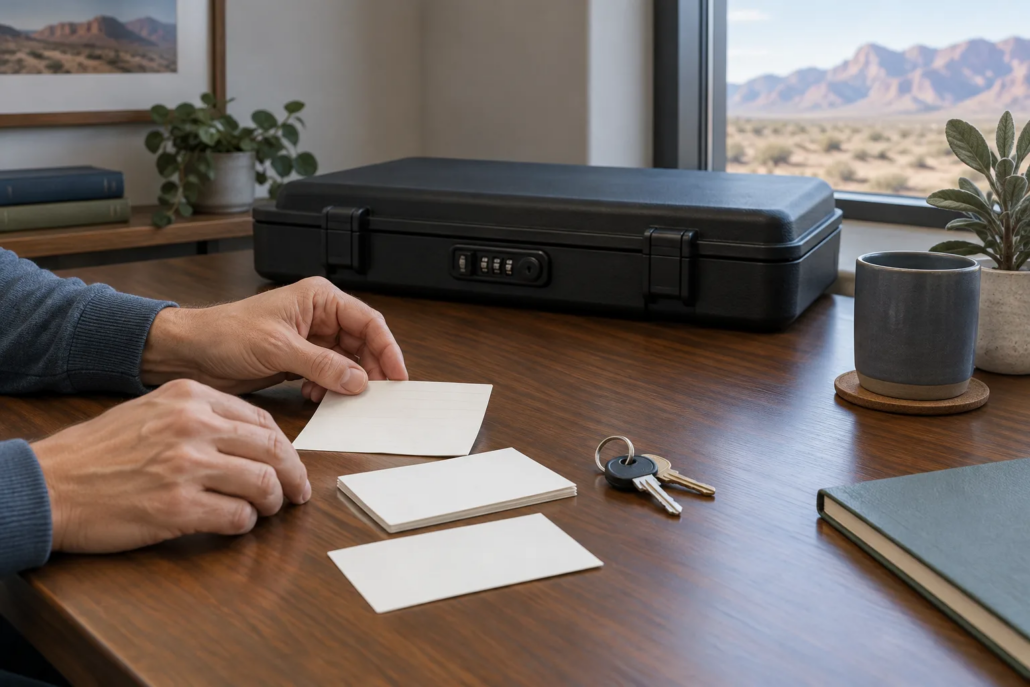
Could Utah Firearm Estate Planning Clarify Who May Inherit?
Owning firearms can add planning questions to an otherwise familiar estate plan. A will may state who is intended to receive property, but it does not automatically answer whether a particular recipient may lawfully receive a firearm, how it should be secured while an estate is administered, or what records a fiduciary will need. For Utah firearm estate planning, those details matter to owners in Magna, West Valley, and elsewhere in the state. Stephen J. Buhler can help clients consider how firearm-related instructions fit with their broader estate documents and family circumstances. This article outlines a practical checklist: make an appropriate inventory, identify intended recipients, prepare instructions for a fiduciary, and discuss transfer restrictions with qualified counsel. It is not a substitute for advice about a particular firearm or transfer. Laws can vary by jurisdiction and may change, so owners should consider both Utah requirements and any applicable federal rules when planning.
Utah firearm estate planning starts with a careful inventory
A useful inventory helps the person administering an estate locate and identify property without turning the document into a public-facing list. Record identifying details that make sense for your circumstances, such as the make, model, and serial number, along with available purchase or ownership records. Keep the inventory current when firearms are acquired, sold, or otherwise transferred.
Store the inventory securely and tell the appropriate fiduciary where it can be found. Avoid placing sensitive details in a document that may be widely shared when a more private, securely maintained record can serve the purpose. The estate plan should also clarify how the fiduciary can locate storage keys or other access information, without compromising safe storage during your lifetime.
For Magna and West Valley residents, firearms may be only one part of a broader estate, but their handling can require special attention. Include a practical note about where the property is stored and who should be contacted to coordinate its secure handling. Do not rely on memory or assume family members will know what you own. A written record can help the person handling the estate identify the items and seek advice before taking action.
Identify intended recipients, not just a general beneficiary
Consider whether you have a particular recipient in mind for each firearm or group of firearms. A general direction to divide personal property may leave uncertainty, especially if several family members have different expectations. Identify alternate recipients as well, in case your first choice cannot or does not wish to receive an item.
A recipient’s age, eligibility, location, and willingness to accept the property may all matter. If a minor may benefit, ask counsel about lawful management and custody rather than assuming the child can take direct possession. For background on related planning questions, see how a minor’s inheritance may be managed in Utah.
Coordinate firearms in a Utah will with records and transfer rules
A will can be one part of a plan, but owners should not assume that naming someone in a will alone completes every step of a firearm transfer. The appropriate documents and process can depend on the firearm, the recipient, and the facts surrounding the transfer. Federal restrictions may apply, including rules concerning people who are prohibited from possessing firearms and additional requirements for certain federally regulated firearms. Utah law and the law of another state may also be relevant, particularly if a recipient lives elsewhere.
Before making transfer arrangements, ask a qualified attorney to identify the questions that apply to your situation. Depending on the circumstances, that may include whether a transfer is permitted, what process is required, and whether a licensed firearms dealer or another appropriate authority should be involved. Do not assume that a will, trust, or family relationship overrides a restriction. This article does not determine whether any individual can receive a specific firearm.
It is also useful to review the will alongside records of ownership and any trust documents. Ask how a Utah will can differ from beneficiary forms as part of that review, while recognizing that firearms may involve distinct legal questions not addressed by a beneficiary form. If you are considering a trust, discuss its purpose, terms, and administration with counsel before placing firearms in it or instructing a trustee to arrange a transfer.
Give the fiduciary workable, safety-minded instructions
A personal representative or trustee may need to locate records, secure estate property, and communicate with proposed recipients. Instructions can identify who should be contacted, where the inventory is stored, and when to pause for legal guidance. For context about an executor’s duties to protect and distribute Utah estate property, remember that firearm-specific restrictions may call for additional advice before distribution.
Choose a fiduciary who is willing to follow careful instructions and ask questions when needed. Choosing a capable Utah executor or trustee can be especially important when the estate includes property that requires secure handling and legal review. Salt Lake County residents, including many in Magna and West Valley, should also confirm which local venue and procedures apply to an estate matter; location alone does not resolve firearm transfer requirements.
Plan for incapacity and avoid common oversights
Estate planning is not only about what happens after death. An owner may become unable to manage property or communicate preferences, leaving an agent or family member to address access, storage, or other practical needs. Ask counsel what authority a financial agent should have and whether any firearm-related action is restricted. A power of attorney does not automatically satisfy transfer rules or grant authority that applicable law withholds. For an overview of Utah durable power of attorney choices for incapacity planning, consider how those decisions fit with your overall documents.
Common planning oversights include:
- Naming a recipient without checking whether the person can lawfully receive the firearm.
- Leaving no alternate recipient or instructions if a proposed recipient declines.
- Keeping an inventory where a fiduciary cannot find it, or sharing sensitive details too broadly.
- Assuming that a will or trust removes the need to follow applicable transfer requirements.
- Giving a fiduciary vague directions without identifying records, contacts, or when to seek legal help.
- Forgetting to revisit the plan after a move, a change in family circumstances, or a new acquisition.
A trust can help organize management for some beneficiaries, including children, but it is not a shortcut around legal requirements. Discuss the trustee’s responsibilities and any firearm-specific terms with counsel. If a child is involved, selecting a trustee to manage a Utah child’s inheritance is a separate decision from determining whether or how a firearm may be transferred.
Owners in Magna and West Valley can prepare for a useful legal review by gathering an updated inventory, ownership records, storage preferences, proposed recipient details, and existing estate documents. That preparation gives counsel a clearer picture of the questions to evaluate without presuming that a particular transfer is allowed.
Frequently Asked Questions
Can I name a family member to receive a firearm in my Utah will?
A will may express an owner’s intent about who should receive property, but naming a family member does not by itself establish that a firearm transfer is permitted or complete. The recipient’s eligibility, location, and the firearm involved can affect the analysis. A Utah attorney can review the proposed language and identify whether additional steps or documents may be needed.
What information should a firearm inventory include?
An inventory can record identifying details, available ownership records, and where the firearm is stored, along with secure directions for the fiduciary to locate the information. Keep sensitive records protected and update them when ownership changes. The right level of detail depends on the owner’s circumstances, so an attorney can help coordinate the inventory with the rest of the estate plan.
Can a minor inherit a firearm in Utah?
A minor’s age and the circumstances may affect whether and how the property can be managed or received. Do not assume that naming a child in a will means the child can directly possess a firearm. Ask qualified counsel about applicable Utah and federal rules, the role of a responsible adult or trustee, and lawful options for managing the inheritance.
Does a firearm trust avoid transfer restrictions?
A trust does not automatically remove applicable state or federal restrictions. Its terms, the firearm involved, the trustee’s role, and the proposed recipient can all raise questions that require legal review. Before transferring a firearm to a trust or directing a trustee to distribute one, ask an attorney familiar with the relevant rules to evaluate the arrangement.
How Stephen J. Buhler Can Help
Stephen J. Buhler is dedicated to helping Utah clients consider how wills, trusts, fiduciary instructions, and personal property fit together. A review can address how to organize firearm records, identify proposed recipients, and raise transfer questions without assuming that a particular distribution is allowed. Owners can bring an inventory, available ownership records, storage preferences, recipient information, and existing estate documents to a discussion. If you live in Magna, West Valley, or elsewhere in the area, contact the firm to ask about a consultation about Utah estate planning choices and whether a free consultation is available.
The information in this article is for educational purposes only and does not constitute legal advice. Contact a qualified attorney licensed to practice in Utah for advice specific to your situation.


