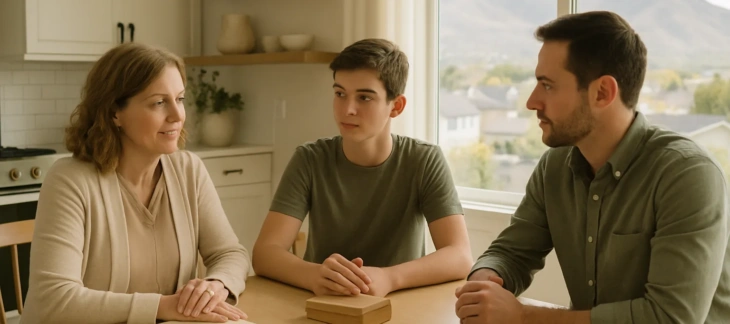
Parents often think about who would care for their child after death, but a different question can be just as important: what happens if both parents are alive yet temporarily or permanently unable to provide care? A serious illness, accident, deployment, or other crisis can create an urgent need for a dependable plan. Is a Utah will guardian nomination enough to protect a child in that situation? Usually, it is best understood as an important preference—not a complete continuity plan.
For families in West Valley, Utah, Stephen J. Buhler helps clients examine how estate planning documents fit with guardianship and conservatorship concerns. This article explains what a will can do, what it may not do, and which practical details families may want to organize for a possible caregiver. It focuses on guardian preferences, alternate caregivers, medical and school information, financial resources, and secure document storage.
Is a Utah Will Guardian Nomination Enough for a Child?
A parent’s will can generally identify a preferred guardian for a minor child after the parent’s death. That nomination gives a court useful information about the parent’s wishes. It can also help relatives and other interested people understand whom the parent trusted to provide care.
However, a nomination in a will is not the same as an automatic transfer of custody. In Utah, a court may still need to evaluate the proposed guardian and determine what arrangement serves the child’s best interests. The court’s review can matter even when both parents named the same person.
A will primarily addresses death, not incapacity
A will generally becomes relevant after the person who made it dies. If both parents are living but cannot make decisions or provide daily care, a will may not by itself authorize another adult to handle every parenting responsibility. That is one reason families should consider incapacity planning alongside a will.
Depending on the circumstances, temporary care, a guardianship proceeding, or another court-supervised arrangement may be involved. The correct path can depend on the child’s needs, the parents’ condition, existing documents, and whether an emergency exists.
Guardian nomination versus custody in Utah
The difference between a guardian nomination and custody is practical. A nomination communicates a parent’s preference. Custody or guardianship authority determines who can make decisions and provide care under the law. A Utah will may support the court’s understanding of family preferences, but it does not eliminate the need to address authority during a parent’s incapacity.
What Should a West Valley Family Include in a Child Continuity Plan?
A useful plan does more than name one person. It gives the proposed caregiver enough information to maintain the child’s routines and helps professionals identify the people who may need to be contacted. Families in West Valley, Utah, may want to review the following categories with an estate planning attorney:
- Primary guardian preference. Record the proposed caregiver’s full contact information, relationship to the child, and willingness to serve. Consider whether the person understands the child’s daily needs and can provide a stable home.
- Backup guardian for a minor child. Name one or more alternate caregivers in case the first choice cannot serve, becomes unavailable, or is not able to meet the child’s needs. Discuss the plan with each person before relying on it.
- Medical information. Assemble doctors’ contact details, health insurance information, medication lists, allergies, treatment instructions, and relevant consent or authorization documents. Keep this information current and explain where it is stored.
- School and activity contacts. Identify the child’s school, teachers, counselors, childcare providers, coaches, and transportation arrangements. Include instructions about pickup permissions and communication preferences where appropriate.
- Financial resources. Organize information about life insurance, employer benefits, bank or investment accounts, recurring bills, and any trust or other resources intended for the child. Account ownership and beneficiary designations should be reviewed as part of the overall plan, not assumed to work automatically.
- Document storage. Keep the will, trust documents, powers of attorney, insurance information, contact lists, and instructions in a secure location that a trusted person can access when needed. Tell the appropriate people how to locate the documents without distributing sensitive information broadly.
A checklist cannot replace legal review, but it can reveal gaps before a crisis occurs. It may also reduce confusion for relatives and caregivers who need to act quickly.
What Happens If Both Parents Are Incapacitated in Utah?
When both parents are unable to care for a child, the immediate priority is safe, lawful supervision. A relative, close family friend, or another responsible adult may be available, but that person may still need legal authority to make decisions involving school, medical care, travel, or daily arrangements.
Utah courts and agencies may become involved depending on the facts. The process can differ when the situation is temporary, when there is disagreement among relatives, or when the child has specialized care needs. A court may consider the child’s best interests, the proposed caregiver’s suitability, the parents’ wishes, and the child’s relationship with the caregiver. These decisions are fact-specific.
Common planning mistakes include:
- Naming a guardian without asking whether that person is willing and able to serve.
- Failing to identify a backup guardian if the first choice cannot accept the responsibility.
- Assuming a will gives a caregiver immediate authority while a parent is incapacitated.
- Leaving medical, school, and insurance information scattered across phones, email accounts, or filing cabinets.
- Forgetting to update the plan after divorce, remarriage, relocation, a serious health change, or a change in the child’s needs.
- Treating financial arrangements as separate from the caregiving plan when the proposed guardian may need access to resources for the child.
West Valley guardianship planning is often strongest when the legal documents and practical instructions tell the same story. Stephen J. Buhler can help a family evaluate how its estate planning documents relate to guardianship and conservatorship concerns, while a court retains authority over any appointment that requires judicial review.
Frequently Asked Questions
Can I name more than one possible guardian in a Utah will?
A parent may express preferences about primary and alternate caregivers, but the wording and structure of the plan matter. Naming several people without explaining the intended order can create uncertainty or disagreement. Parents may also need to consider whether the proposed caregivers would serve together or one after another. An attorney can review the family’s circumstances and discuss how guardian preferences may be documented clearly under Utah law.
Does a guardian nomination cover a child’s medical decisions?
Not automatically in every situation. A will-based nomination generally does not function as a complete authorization for medical decisions while a parent is alive but unable to communicate. Families may need separate incapacity documents, medical authorizations, or emergency instructions, depending on their circumstances. Medical providers and institutions may apply their own verification requirements. Legal counsel can help identify documents that may support continuity of care.
Should grandparents or relatives receive copies of the entire estate plan?
There is no universal answer. The people expected to respond during an emergency should know whom to contact and how to locate essential documents. At the same time, estate plans can contain private financial and family information. Some families provide a trusted person with access instructions and a limited emergency packet rather than distributing every document. An attorney can discuss practical storage and communication choices.
When should a Utah family update its child-care plan?
Families may want to revisit the plan after a major change, such as a move, divorce, remarriage, birth or adoption, death of a proposed caregiver, change in health, or change in the child’s educational or medical needs. It is also sensible to confirm that proposed guardians and backups remain willing and available. A periodic review can help keep contact information and documents accurate.
How Stephen J. Buhler Can Help
Stephen J. Buhler is dedicated to helping families understand how estate planning, guardianship, and conservatorship issues may intersect. The firm can review a parent’s guardian preferences, identify practical continuity concerns, and discuss how documents and information may be organized for a possible caregiver.
Every family’s circumstances are different, and a will may need to be considered alongside other planning tools and current Utah requirements. Stephen J. Buhler is committed to fighting for clients’ ability to make informed plans and is ready to evaluate your situation. Contact the firm to schedule a consultation and discuss your family’s planning needs.
The information in this article is for educational purposes only and does not constitute legal advice. Contact a qualified attorney licensed in West Valley, Utah for advice specific to your situation.